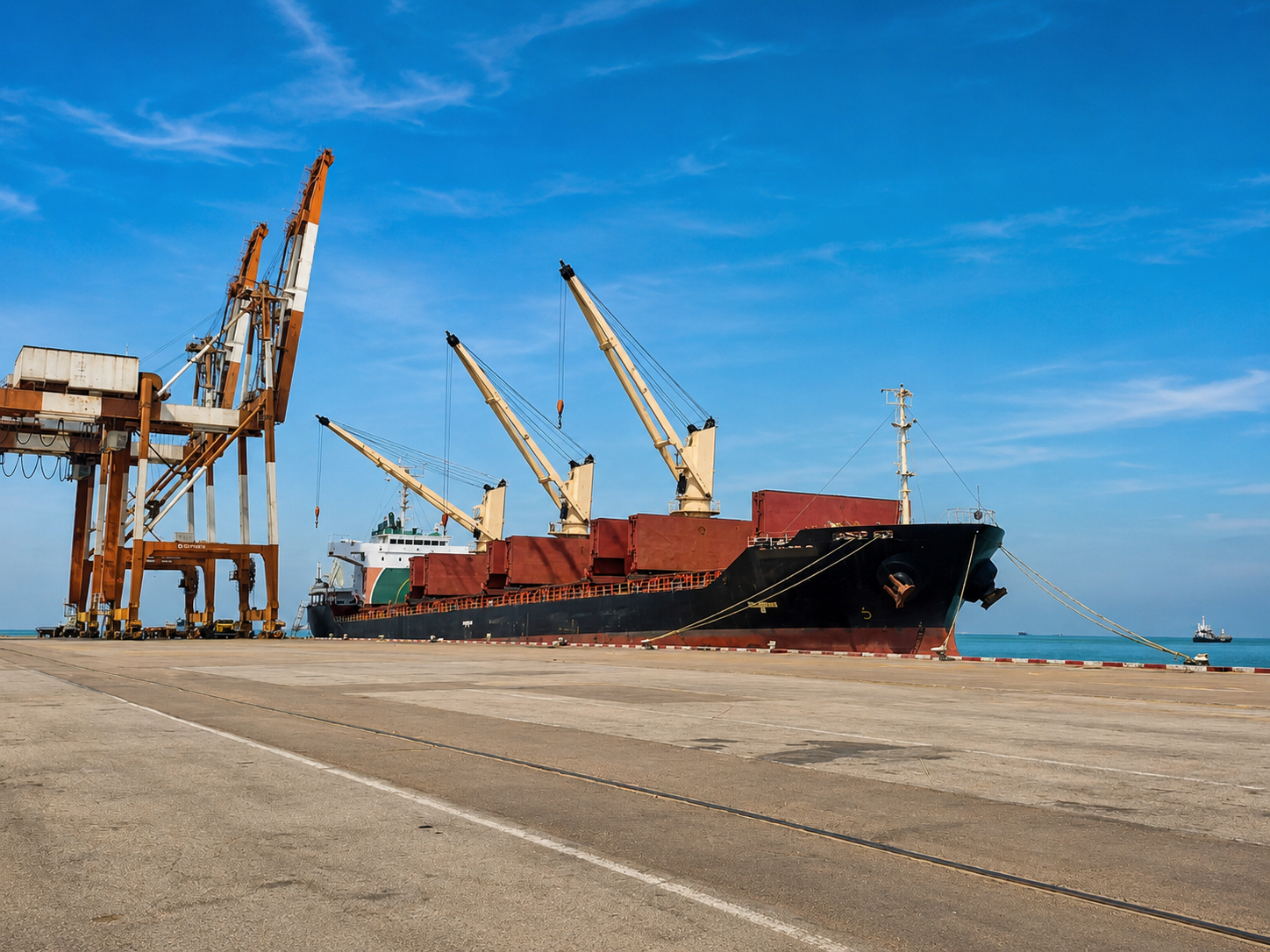
Successful Trade Begins Before the Shipment Moves
One of the biggest weaknesses at this stage is the lack of consistency between the initial agreement and the actual execution. Product specifications in the contract may differ from those listed in the shipping documents, or the shipping schedule may not align with the real capacity of the supply chain.
These seemingly minor inconsistencies can later lead to customs delays, shipment holds, increased transportation costs, and disruptions throughout the logistics process.
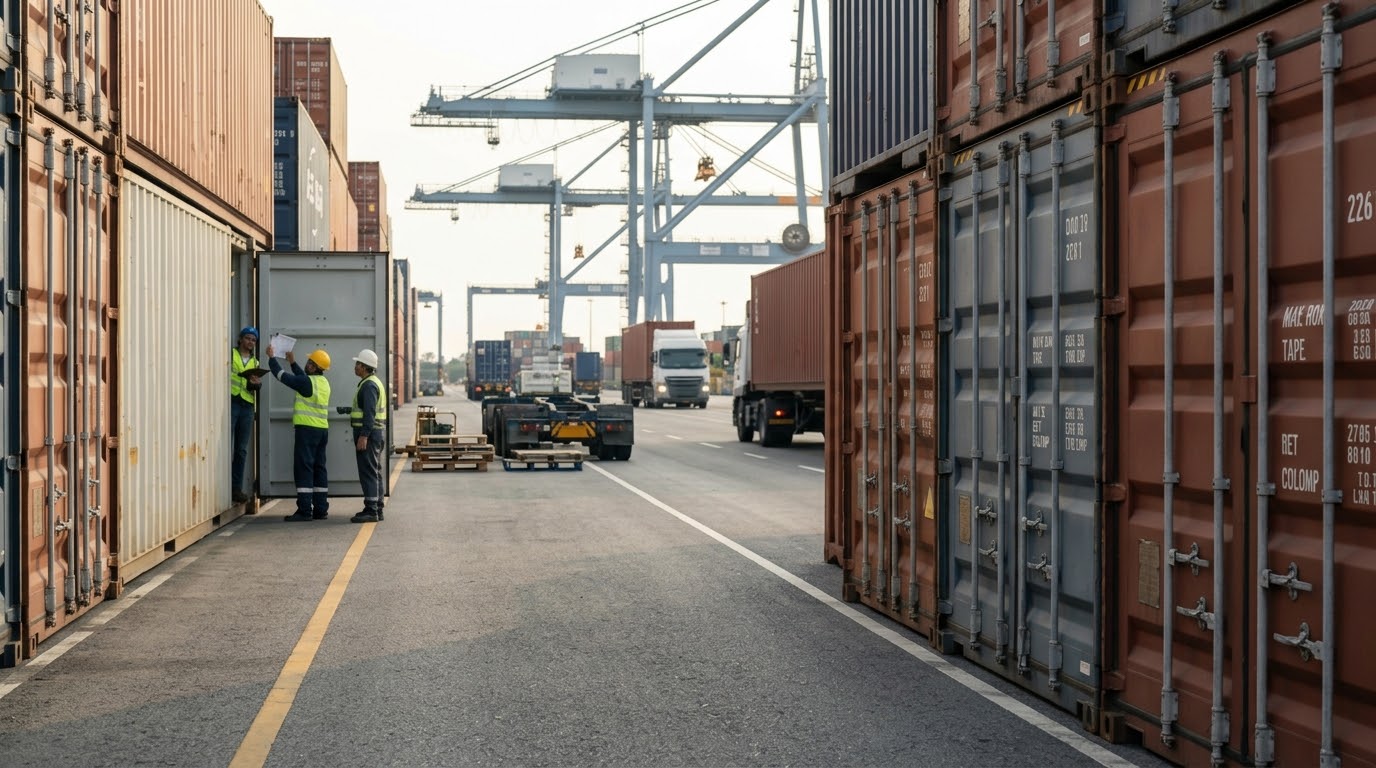
International Trade Leaves Very Little Room for Error
Unlike domestic trade, even a small mistake in international commerce becomes part of a complex, multi-stage process. A minor error can affect customs procedures, transportation schedules, documentation, and delivery timelines.
Correcting an error after the shipment has already departed is usually far more expensive, time-consuming, and complicated than preventing it from happening in the first place.
Rushed Decisions Lead to Costly Problems
In many export projects, excessive focus on completing the deal quickly often results in overlooking important details. Shipping documents, transportation terms, destination-country regulations, and even loading schedules must all be reviewed carefully.
Otherwise, the likelihood of operational problems increases significantly. Many unexpected costs originate from decisions made too quickly during the early stages of the transaction.
Prevention Is Better Than Problem Solving
Professional trading companies aim to identify potential issues before they occur. Careful document verification, coordination between departments, proper transportation planning, and a clear understanding of destination-country regulations are all fundamental parts of effective risk management.
The objective is to ensure that exports move smoothly, without unnecessary delays, and at the lowest possible cost.
“In international trade, many unexpected costs begin long before the shipment leaves—not after it arrives.
Key Takeaways
Many international trade problems begin before the shipment is dispatched.
Small inconsistencies in documents, schedules, or specifications can create major operational costs.
Careful planning, coordination, and verification are essential for preventing costly delays and disruptions.
Conclusion
Success in international trade depends not only on the quality of the products, but also on the quality of the decisions made before the shipping process begins.
The more accurate the planning, the stronger the coordination, and the more comprehensive the review process, the lower the risk of costly delays, operational disruptions, and unexpected expenses.