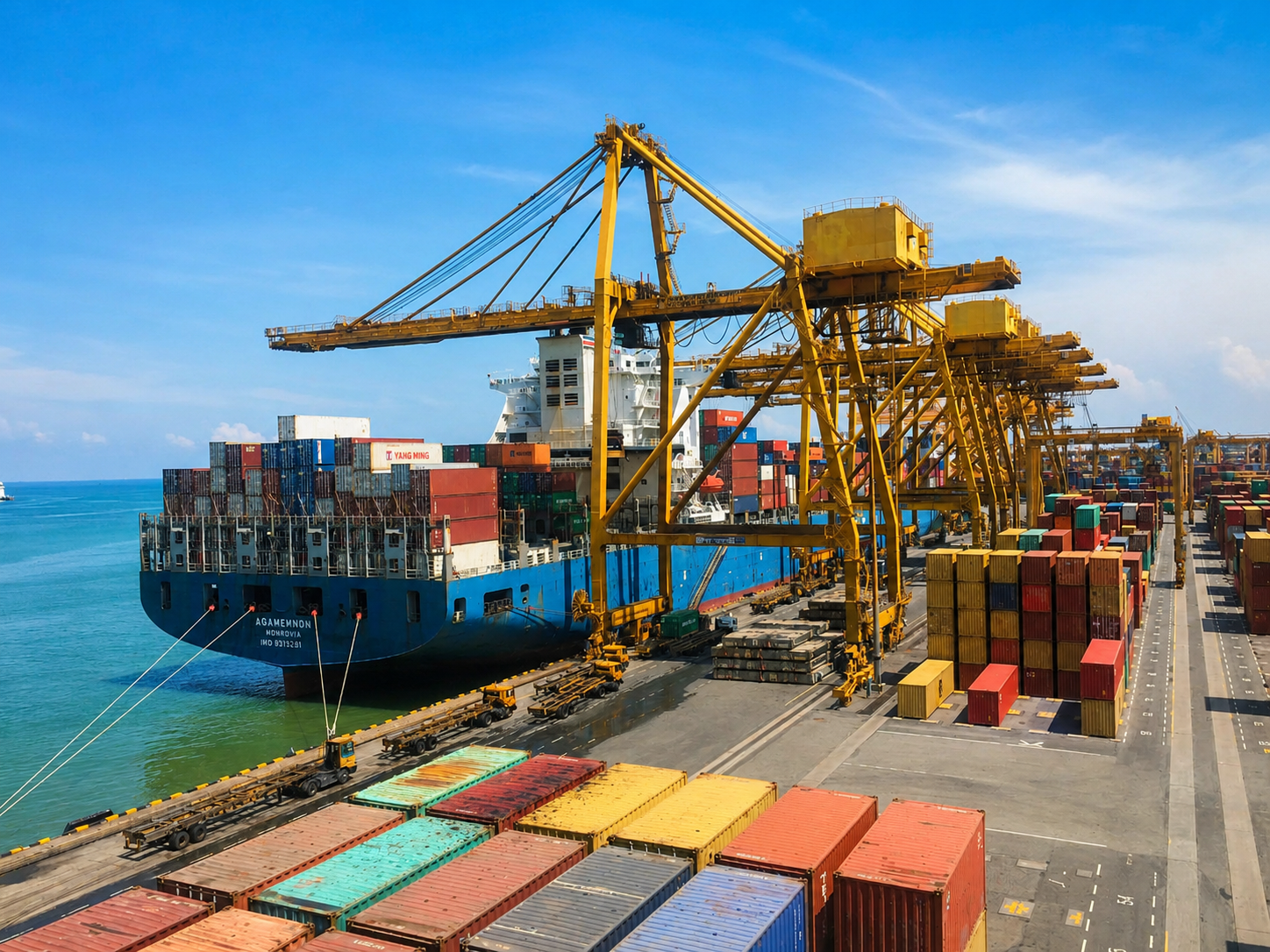
Why Was the Shipment Delayed?
The issue was not the quality of the goods, the shipping company, or even the sales contract. The real cause was a minor discrepancy in the HS (Harmonized System) Code.
This small inconsistency prevented the customs system from correctly identifying the shipment, resulting in additional inspections and customs verification procedures.

The Consequences of a Small Mistake
A shipment that was expected to clear customs within just a few days remained in customs storage for more than ten days.
The delay did not only waste valuable time—it also increased warehousing costs and disrupted the planned delivery schedule.
The Most Valuable Lesson
In international trade, the greatest risks rarely come from major mistakes. More often, they begin with the smallest details.
A single code, one incorrect number, or even an inaccurate document title can interrupt the entire transportation and customs clearance process.
“The greatest risks often begin with the smallest mistakes.
Conclusion
This experience demonstrates that success in international trade depends not only on moving goods, but also on paying close attention to every detail before shipment.
In many cases, the real cost of international trade arises not during transportation, but from correcting mistakes that could have been avoided from the very beginning.